

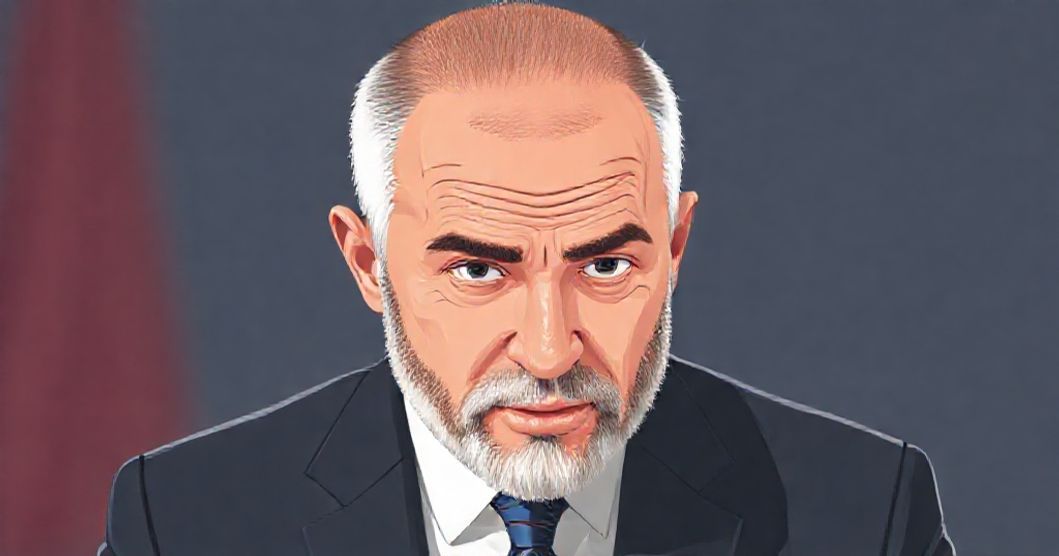
male pattern baldness – Hair loss is something everyone worries about. While it may not affect your physical health, it could impact self- image and cause considerable stress and anxiety.
Here is all you need to know about male pattern baldness. What is male pattern baldness? Male pattern baldness, medically known as male androgenetic alopecia, is the most common form of hair loss in men.
It is estimated to affect between 30% and 50% of men by the age of 50. It causes loss of hair on the scalp, thinning of hair and a receding hairline. It is hereditary and tends to run in families.
What are the causes? There are several causes that may contribute to male pattern baldness. Genetics is one key factor. Genes contributed by both the parents play a role here, even though the sensitivity of the androgen receptor (AR) gene, which is on the X chromosome inherited from the mother, is a factor.
However, male pattern baldness is not determined by a single gene: multiple genes are believed to be involved. The hormone Dihydrotestosterone (DHT) is also thought to play a role.
This is an androgen, androgens being a group of sex hormones. DHT is derived from testosterone. DHT plays a role in male sexual development.
In genetically predisposed individuals however, DHT is believed to affect the hair follicles, causing them to shrink and producer thinner and shorter hair. Over time, this process leads to baldness. Age is another factor.
While hair loss can start in the late teens or early twenties, chances of developing it increase with age. What are the stages of hair loss? Male pattern baldness is progressive.
One scale, the Hamilton Norwood scale, classifies it in seven stages. In stage 1, there is little to no hair loss; in stage 2 there is slight hair loss in and around the temples; in stage 3 the hairline at the temples is deeply recessed, and the hairline may be in an ‘M’ or ‘U’ shape, with the recessed spots bare or sparse; in stage 4 there is hair loss at the top of your head (crown or vertex), with the two areas of hair loss separated by a band of hair; in stage 5, the areas of hair loss are larger and the band of hair is narrower; in stage 6, the hair between the temples and crown is gone, both balding areas are joined and in stage 7, which is the most severe stage, there is only a thin band of hair around the sides of the head, with no hair on the top of the head.
What are the effects of hair loss? While hair loss may seem to be a trivial problem, hair is part of an individual’s self-image and its loss can have psychological consequences. Negative self-perception and perception by others can impair social functioning.
Hair loss can also cause anxiety and depression. In recent years, male androgenetic alopecia has also been looked into for its associations with cardiovascular disease and metabolic syndrome.
Treatment for male pattern baldness A medical history and a clinical examination of the scalp may be performed to arrive at a diagnosis. Additional tests may be recommended if necessary. Treating male pattern baldness usually involves: medications, a hair transplant or platelet-rich plasma.
Medications that have been approved for use to treat male pattern baldness are Minoxidil and Finasteride. Medications may have side effects. It is important to consult a doctor before starting any medication.
In the case of both medicines, hair loss returns when the medication is stopped. A hair transplant is another option. This involves moving thin strips of skin with hair or grafts from a ‘donor’ site (part of the body that has healthy hair, usually the back of the scalp) and grafting them on to the part of the head that is bald.
It is important to ensure that hair transplants are done by qualified medical professionals at licensed centres only. Platelet-rich plasma involves drawing a small amount of blood from the body, after which a machine separates the plasma, and this plasma is injected into the scalp to stimulate hair growth. This is not a permanent solution.
Multiple injections may be required. It usually used as an adjuvant to other therapy. Nutritional supplements may also be prescribed.
The Indian scenario An expert consensus document. ‘Expert consensus on the management of Androgenetic Alopecia in India’, published in the International Journal of Trichology in 2019, stated that a prevalence rate of 58% in males aged 30–50 years has been found in India. While it is a common issue, the document noted that it can have an immense psychological impact on patients, irrespective of age or the stage of baldness.
Other studies in India have looked into the associations between male androgenetic alopecia and metabolic syndrome and cardiovascular risks. Not all hair fall is indicative of male pattern baldness: hair fall can sometimes be a symptom of stress, hormonal imbalances, malnutrition and can also sometimes be a side-effect of certain medicines.
Do also remember that it is considered normal to shed roughly 50 to 100 hairs on a daily basis. If you do not know what kind of hair loss you are experiencing or you are worried about your hair loss, it is important to consult a dermatologist.