
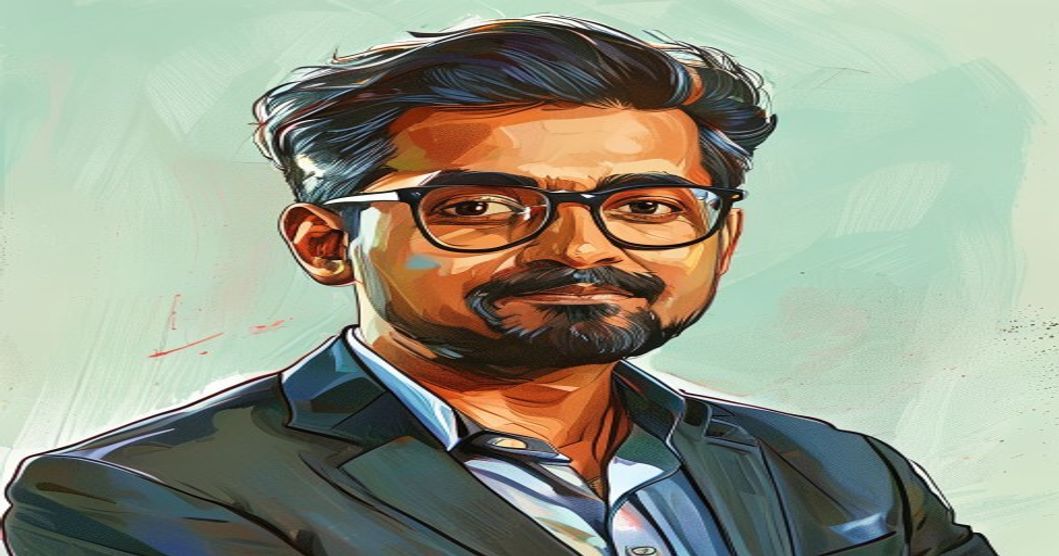
If you’ve ever caught yourself humming a random viral line turned into a catchy tune, chances are you’ve already experienced the magic of Yashraj Mukhate. From the iconic ‘rasode’ remix to turning everyday internet chaos into music, Mukhate has built a space where humour meets melody – and the internet can’t get enough.
Recently, the creator took the same infectious energy from screens to the stage at RADA 2026, Maharashtra’s first-ever Marathi pop culture festival by Bharatiya Digital Party, held at The Orchid Hotel Pune. In a candid chat, Mukhate opens up about downtime, fan requests, creative burnout, and why platforms like RADA matter.
Read the edited excerpts below: Yashraj Mukhate broke the internet back in 2020 with his creative viral hits (Image: Instagram/Yashraj Mukhate) Yashraj Mukhate broke the internet back in 2020 with his creative viral hits (Image: Instagram/Yashraj Mukhate) Q. When you’re off the internet (if that ever happens!), and not creating an addictive tune, how do you relax? Yashraj Mukhate: I watch a lot of movies.
I just relax on my recliner and just watch a lot of movies. I keep asking for recommendations on my social media, and I make sure that I watch all the recommendations. Most of them are not that great (laughs), but I enjoy some of them.
Q. What’s the most unusual or memorable fan request you’ve received after going viral? Yashraj Mukhate: I think it’s not unexpected.
But people send me videos of their kids doing some funny nonsense, and they want me to do something out of it, which is cute. I find it very cute.
Some of them are kind of very weird. Some of them are very redundant requests, like old ideas that I am not interested in.
But I find it very sweet that people take the time to send me messages. View this post on Instagram A post shared by Yashraj Mukhate (@yashrajmukhate) Q. Social media never switches off – how do you keep up without burning out? Yashraj Mukhate: I don’t actually, it’s very unhealthy, but I’m constantly on social media.
I’m constantly consuming a lot of content, but that’s part of what I do because I have to be aware of what content is working, what content is not working. So I don’t doom scroll, but I actively consume a lot of content just to get an idea, just to be relevant, just to be in the zone of what is working, what is not working, what content has been done, what new I can do. As part of content creation, it is important that you consume a lot of content.
Q. What do you do when the ideas just don’t come – how do you deal with a creative block? Yashraj Mukhate: I asked this to Sneha Khanwalkar once, and she said, ‘For some time, do nothing.
Don’t make music till you feel like you have to go to the studio and make it, even if it’s a long time. Because that is when you recharge yourself. ’ And this has worked for me as well.
When I am too burned out and don’t get any ideas, I just don’t go to the studio for 2-3 days, and on the fourth day, I am like, ‘No, I have to go to the studio with this idea that is coming to me. ’ So don’t touch it for a few days, and it’ll come to you. View this post on Instagram A post shared by Yashraj Mukhate (@yashrajmukhate) Q.
You performed at RADA 2026 – what stood out to you about the experience? Yashraj Mukhate: It was an amazing experience. I also made a track for them at the fest, which will hopefully be used by them in the coming years as well.
I performed that song for the first time here, and the vibe was amazing. I am so glad I came here. Yashraj Mukhate performing alongside Nagesh Morvekar at RADA (Image: PR Handout) Yashraj Mukhate performing alongside Nagesh Morvekar at RADA (Image: PR Handout) Q.
Why do you think platforms like RADA are important for regional artists today? Yashraj Mukhate: It’s very important because people who follow regional music don’t have a festival like this to attend. It’s a Sunday evening, and they are all coming to attend and have fun.
And most of the songs are Marathi. It’s a great thing because it motivates other Marathi artists as well that they are going to get a platform. From very remote areas as well, they are making their own audience, sitting in their own region.
They are not moving to big cities like Mumbai or Pune. I am very fascinated by that because I am a product of that.
I have always been in Chhatrapati Sambhaji Nagar, making content and music from there. And it’s not that I have stopped working from there; I still do.
So I find it very amazing that people nowadays don’t have to shift or relocate to be able to meet more people.